Posted on Wednesday 15th October 2025
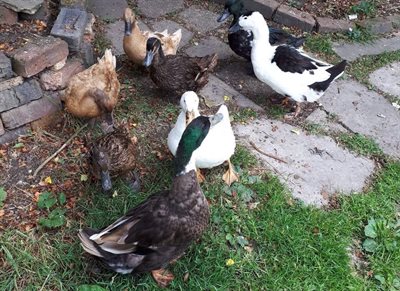
Keeping ducks and geese away from other poultry is one step birdkeepers can take
People in Staffordshire who keep birds and poultry are being asked to remain vigilant and follow guidance to help reduce avian flu.
Staffordshire County Council’s Trading Standards Animal Health team has issued the advice following a confirmed case of bird flu near Betley in Cheshire.
Wild birds migrating from mainland Europe during the winter period can spread Avian influenza to poultry and other captive birds. The disease can have a devastating impact on local bird populations and the poultry industry.
Birdkeepers can reduce the risk of the disease by:
- Keeping the area where birds live clean and tidy, controlling rats and mice and regularly cleansing and disinfecting any hard surfaces
- Cleaning footwear before and after visits
- Placing birds’ feed and water in fully enclosed areas that are protected from wild birds, and removing any spilled feed regularly
- Putting fencing around outdoor areas where birds are allowed and limiting their access to ponds or areas visited by wild waterfowl
- Where possible, avoid keeping ducks and geese with other poultry species.
Anthony Screen, Cabinet Member for Community Safety and Resilience at Staffordshire County Council, said:
“Bird flu can have real implications for local wildlife and the poultry sector, so it’s important that we all do what we can to help reduce cases of it.
“There are strict rules in place for birdkeepers, whether people have a single bird or a larger commercial flock. We would ask that people follow any local advice, remain alert for any signs of the disease and to report suspected cases immediately. People should also ensure they are maintaining good biosecurity on their premises.”
From October 2024, anyone who keeps birds must register them with the Animal and Plant Health Agency (APHA). The law applies to all birdkeepers, whether it’s a large commercial farm or someone with a single bird.
Further advice for birdkeepers is available at www.gov.uk/birdflu.